
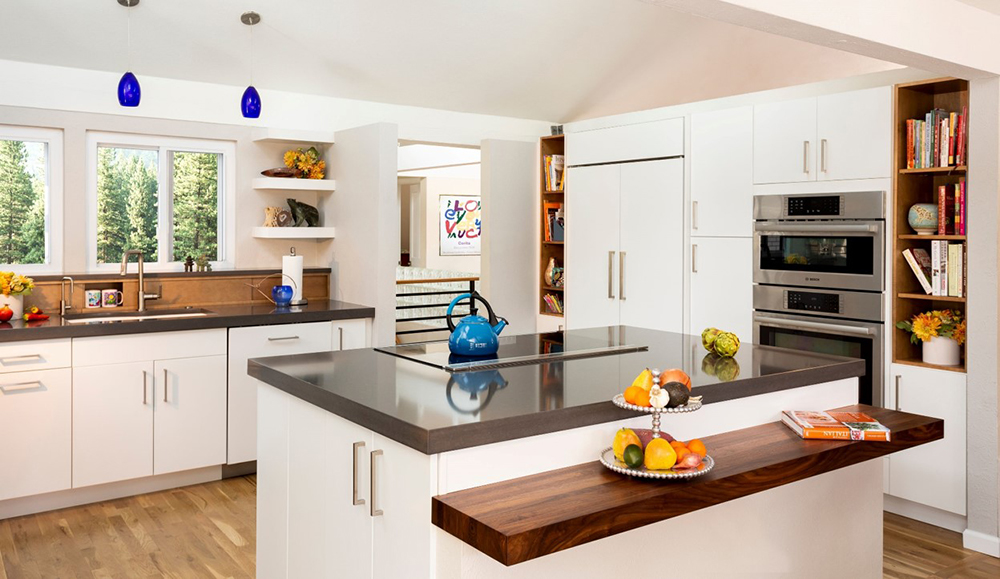
You’ve packed away the last ornament. The tree is down. The mantle sits bare. Suddenly, your home feels emptier than it did before the holidays even started. This isn’t just you. This feeling has a name, the post holiday home design slump, and it hits Denver homeowners especially hard in early February when winter still stretches ahead for weeks. Research shows that emotional lows often follow intense holiday activity. Your home provided festive structure through December. Now that scaffolding is gone, and the walls feel like they’re closing in.
Here’s what’s really happening. December filled your space with warmth, sparkle, and visual interest. Those elements didn’t just look pretty. They performed actual emotional work, creating comfort during our darkest months. When you remove them all at once, you’re not just taking down lights. You’re stripping away layers of coziness your brain desperately needs right now.
The contrast hits harder in Colorado. We’re facing months of early sunsets and below-freezing mornings. Your home needs to work harder to support you through these dark weeks, not sit empty and echoing with the memory of better days.
Why Your Home Feels Wrong Right Now
The post-holiday period creates what psychologists call “emotional whiplash.” You shifted from high stimulation to ordinary life without any transition time. Your environment went from layered and rich to stark and minimal overnight. That’s not a neutral change. That’s a loss your nervous system registers even if you can’t articulate why you feel off.
January’s cultural pressure makes this worse. Everyone’s posting about fresh starts and clean slates and minimalist resets. Meanwhile, you’re staring at blank walls wondering why you don’t feel motivated. Interior design is moving toward exactly what your brain craves right now, warmth, depth, texture, and layers.
Design Solutions That Actually Help
Your home doesn’t need to wait to feel good again. Small strategic changes can restore the comfort you’re missing without looking like you’re clinging to the holidays. The key is understanding what made your holiday space work, visual interest, warm lighting, and tactile elements, then translating those principles into everyday design.
Start with lighting. This matters more than any other single change. Swap harsh overhead bulbs for warm-toned LED bulbs. Add table lamps where you removed string lights. Layer your lighting the way you layered holiday elements. Colorado’s winter sun disappears by 5 PM. Your space needs multiple light sources at varying heights to combat that darkness without making your home feel like an operating room. Read more about lighting in another blog: ‘Light Solutions for Colorado Winters.’
Texture comes next. Holiday garlands, ribbons, and fabric ornaments added tactile richness your space now lacks. Bring that back through throws, pillows, and area rugs in warm, earthy tones. The 2026 design shift favors deep terracotta, soft sage, and rich chocolate over the stark whites and grays that dominated recent years. These colors aren’t just trending. They’re psychologically grounding, exactly what you’re craving.
Color-drenching is replacing the accent wall approach. Instead of one bold statement surrounded by white, paint your living space in a cohesive warm tone, walls, trim, ceiling. This creates the cocooning effect your brain associates with comfort. Cherry Creek and Wash Park clients consistently report feeling calmer in color-drenched spaces during Colorado’s long winters.
Natural elements matter now more than ever. Living plants bring the biophilic benefits of holiday greenery into everyday life. Even a single substantial plant, a fiddle leaf fig, a monstera, a cluster of snake plants, restores visual interest and improves air quality during months when we seal our homes tight against the cold. This isn’t about perfection. It’s about giving your eyes something living to rest on instead of empty corners.
The Denver Difference
Colorado winters demand more from our interiors than mild climates require. We’re not just fighting seasonal blues. We’re combating genuine darkness, elevation effects, and temperature swings that trap us indoors for weeks. Your Highlands Ranch or Stapleton home needs to function as a genuine refuge, not just a place to store your stuff between outdoor adventures.
The post-holiday slump isn’t weakness. It’s your environment failing to support you. When designers talk about “wellness-focused interiors,” this is exactly what we mean. Your space should actively improve your mood, especially during challenging months. That’s not luxury. That’s basic function.
Your Next Step
You don’t need to suffer through the post holiday home design slump until spring. Small, strategic changes create immediate impact, often within the same day. The homes I’m designing right now in Denver prioritize warmth, layers, and emotional comfort over Instagram-perfect minimalism. That shift isn’t just following trends. It’s responding to how people actually want to feel in their spaces.
Ready to transform your home from empty to intentional? Let’s discuss how simple design interventions can restore the comfort you’re missing. Call my office at 303-885-7706 or Request an interior design consultation. Your home should support you every single month, not just during the holidays. Together, we’ll create spaces that feel right all year long.
–
About A La Carte DESIGN: Award-winning interior designer Jeane Dole and her team specialize in creating personalized, sophisticated spaces for Denver-area homeowners. Our à la carte approach means you invest only in services that add value to your specific situation, from trend-focused updates to comprehensive home transformations. Serving the Greater Denver Metro Area including Park Hill, Cherry Creek, LoDo, Stapleton, and Washington Park.
- Award-winning design recognized by Colorado Homes & Lifestyles
- 300+ Denver homes transformed with lasting style
- 4.9 average client satisfaction rating
- Serving Denver metro area for 12+ years
